
The University of Detroit Mercy School of Dentistry is honored to welcome Judith A. Jones, D.D.S., M.P.H., D.Sc.D. as this year’s commencement speaker. An internationally recognized leader in dental public health and geriatric dentistry, Jones has dedicated her career to improving oral health outcomes for vulnerable and aging populations.
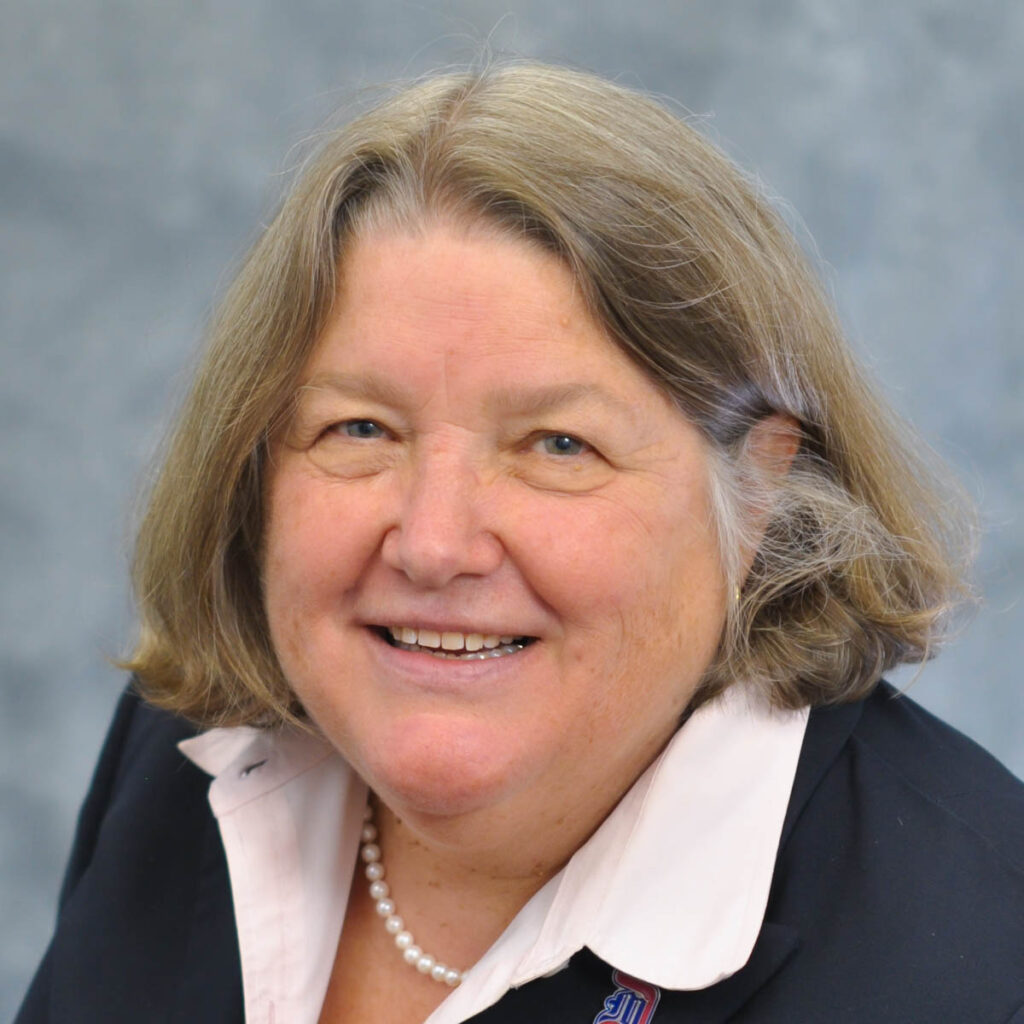
Judith A. Jones, D.D.S., M.P.H., D.Sc.D.
Jones joined Detroit Mercy in 2017 and currently serves as an adjunct professor, previously holding the role of associate dean for academic administration. She is board-certified in both dental public health and geriatric dentistry and is widely respected for her contributions to education, research and clinical care.
She began her professional journey in dental hygiene, earning a certificate from the University of Michigan, and went on to receive her Doctor of Dental Surgery and Master of Public Health from the University of North Carolina at Chapel Hill. She completed a Veterans Affairs Geriatric Dentistry Fellowship affiliated with the Harvard School of Dental Medicine and later earned a Doctor of Science in Dentistry (D.Sc.D.) in Dental Public Health from Boston University.
Jones has held numerous national leadership roles throughout her career, including serving as president of the American Board of Dental Public Health and as a spokesperson for the American Dental Association. She was recently named vice president of the Santa Fe Group, a national think tank focused on improving lives through oral health. Her work within the Veterans Affairs system has included leadership of programs serving geriatric and special needs populations.
A distinguished educator and researcher, Jones has focused extensively on the relationship between oral health, overall health and quality of life. Her contributions have been recognized with honors such as the International Association for Dental Research Distinguished Scientist Award for Geriatric Oral Research and the ADEA Gies Award for Outstanding Innovation as an Educator.
Jones brings to commencement a wealth of experience shaped by leadership, service and a deep commitment to advancing oral health. As graduates prepare to enter a rapidly evolving profession, her perspective offers both guidance and encouragement. Dr. Jones has dedicated her career to improving oral health outcomes for vulnerable and aging populations. In the following Q&A, Jones reflects on her career, shares lessons learned, and offers insight into the opportunities and responsibilities facing the next generation of dental professionals.
Q: What do you think today’s dental graduates are stepping into that’s different from when you began?
A: Funding education is more difficult. So loans are bigger. Technology has changed dental practice somewhat, but prevention is still the cheapest and most effective way to prevent oral diseases.
Q: What gives you the most hope about the future of oral health right now?
A: Students are better prepared in many respects. Improvements in biology, clinical preparation and interprofessional practice.
Q: What’s something you believed early in your career that you’ve since changed your mind about?
A: Implants were experimental when I started practice. Now they are much more common, but prevention is still the best.
Q: What role do you think new dentists should play in addressing access to care or health equity?
A: An active role. Health care, including oral health care, is a basic human right.
Q: How can young professionals stay grounded in patient-centered care amid changing systems and pressures?
A: Do what’s best for each and every patient. And document, document, document!
Q: What does service (whether to the profession or the public) look like in dentistry when you’re also navigating student debt, market shifts, and the need to build a sustainable career?
A: My career was based in service. If you serve, you will come out ahead.
Q: What’s one thing you wish you knew about balancing a demanding career and personal life when you were a new graduate?
A: It is possible to have a demanding career and a family at the same time. You need the right partner to do this. Choose well. And be flexible.
Q: What’s something people would be surprised to learn about you?
A: I used to tow gliders.
Q: If you weren’t in dentistry, what would you be doing?
A: Flying.
Join Us at Commencement
This is more than a milestone; it’s the beginning of a career dedicated to care, impact and lifelong growth.
Friday, May 8 at 9:30 a.m. (doors open at 8:30 a.m.)
Calihan Hall
University of Detroit Mercy – McNichols Campus
4001 W McNichols Rd
Detroit, Mich. 48221